This is an evening talk by Mike Shepherd.
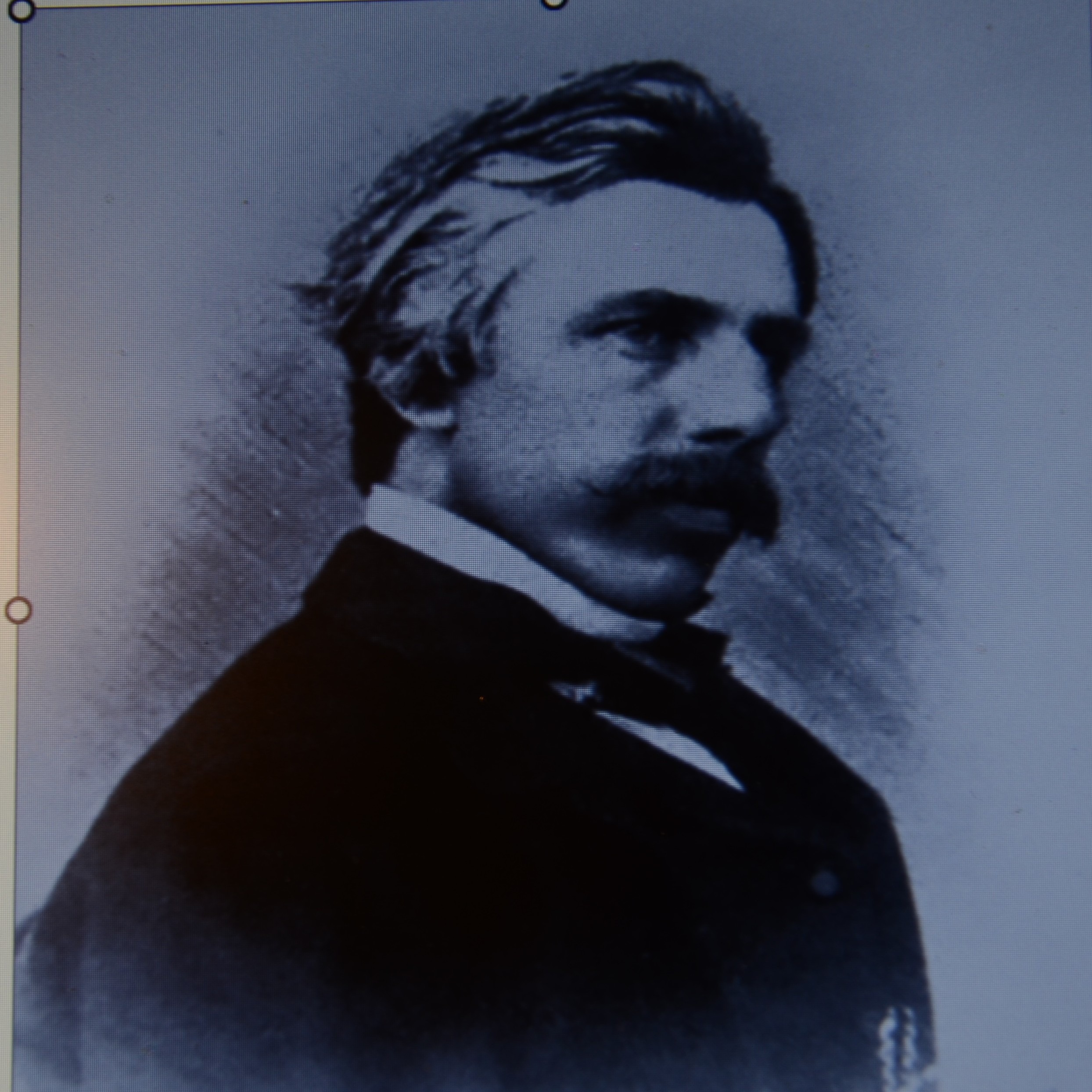
Thomas Francis Jamieson (1829-1913), born in Aberdeen, was an amateur geologist and the factor (estate manager) of the 11,000-acre Ellon Estate. A leading light of the 1860s glacial revival, he established several modern concepts in glacial geology, most notably the theory of glacial isostasy (that the weight of ice sheets depresses land masses).
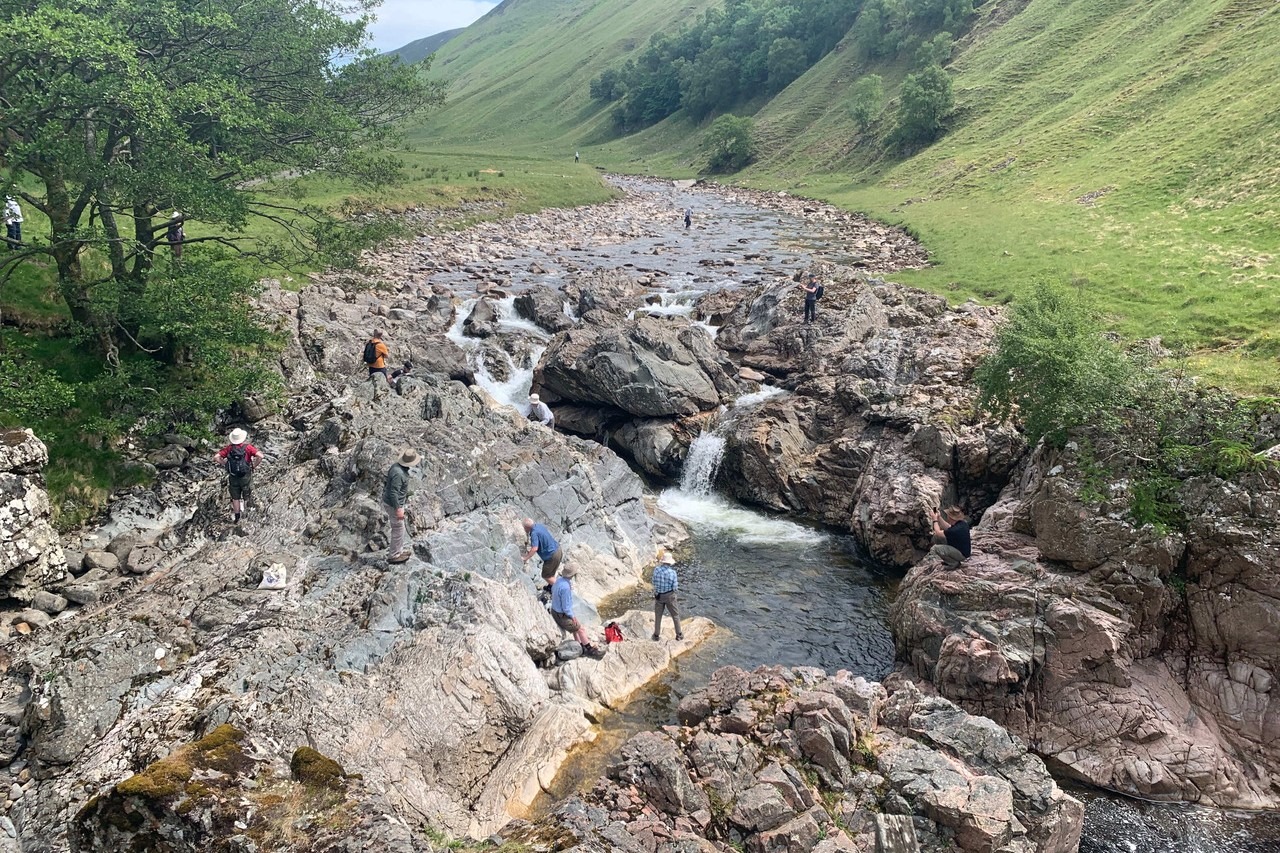
When, in 1840, the Swiss geologist Louis Agassiz proposed Scotland had experienced the effects of the Ice Age, few British geologists took him seriously. But then, in 1862, Jamieson established from mapping glacial striae and the direction of travel of erratic boulders in the north of Scotland that thick ice sheets had spread out radially from the Scottish Highlands. A year earlier, Charles Darwin asked Jamieson to check the fieldwork forming the basis for Darwin’s 1838 paper on the parallel roads of Glen Roy. Darwin had suggested that the three terraces in the glen were beaches. Jamieson established evidence that they were the strandlines of an ice-dammed lake. Darwin agreed, writing to Jamieson that, ‘My paper is one long gigantic blunder,’ adding, ‘Did I not say that you would be able to settle the question?’

Biography: Born in Aberdeen when the Earth was young, Mike gained an honours degree in geology and mineralogy from the University of Aberdeen. Thereafter, he worked for oil companies in the North Sea, specializing in geological methods of locating the remaining oil in mature producing fields. This was the basis for his textbook, Oil Field Production Geology (AAPG 2009).He is retired and now writes local history books, such as how Bram Stoker came to write Dracula in Aberdeenshire. His research on Thomas Jamieson, near completion, will be used to write a book about this Ice-Age geologist.